


Hi, I am Anguzu, Radio Pacis AI Assistant. How can I help you today? Ask me about Radio Pacis, our programmes, frequencies, news, Arua, or the world around us.
6 June 2026 · Radio Pacis Newsroom
By Dramadri Federick ARUA CITY Security authorities in Arua City have banned the sale of petroleum products in jerrycans as part of a wider government effort to combat fuel smuggling, protect legitimate businesses, and address growing security concerns linked
By Dramadri Federick
ARUA CITY
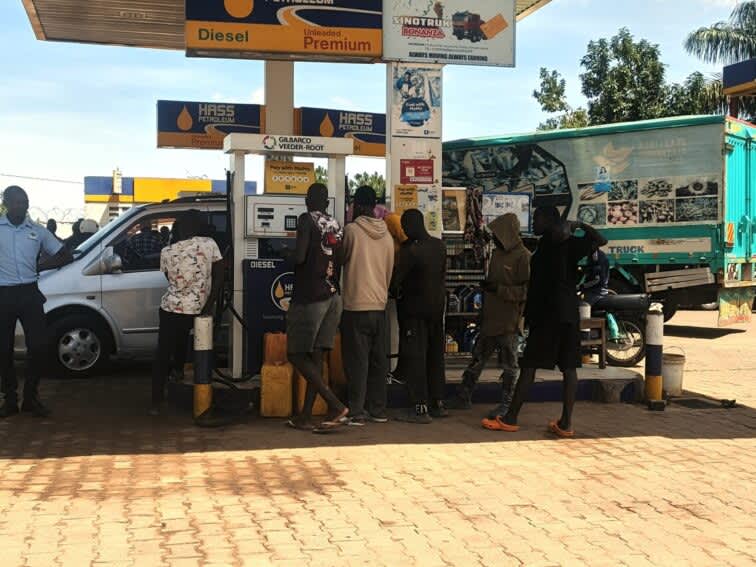
Security authorities in Arua City have banned the sale of petroleum products in jerrycans as part of a wider government effort to combat fuel smuggling, protect legitimate businesses, and address growing security concerns linked to the black-market fuel trade.
The move follows a directive issued on May 5, 2026, by Hajji Yunus Kakande, Secretary in the Office of the President, to Resident District Commissioners (RDCs) in 19 local governments, including Arua City and the West Nile districts of Koboko, Nebbi, Zombo, and Yumbe.
In the directive, RDCs who also chair district security committees—were instructed to deploy security personnel at fuel stations and along known smuggling routes, strictly prohibit the purchase and transportation of fuel in jerrycans, and ensure that foreign-registered vehicles only refuel for immediate use without carrying additional fuel containers.
Authorities were also directed to prevent hoarding and withholding of petroleum products from the market.
Arua Resident City Commissioner Betty Akello Otekat said, the latest directive reinforces an earlier order issued by the Ministry of Energy and Mineral Development on April 24, 2026, following a surge in fuel smuggling across the affected local governments.
Speaking during a meeting with fuel station owners, Otekat warned that, individuals involved in the illegal fuel trade would face arrest and prosecution.
“Whoever has been doing that must stop,” Otekat warned.
Ajiga Mansur, the Officer-in-Charge of Enforcement at the Uganda Revenue Authority (URA) in the West Nile Sub-region, called for collective action to tackle the growing challenge of fuel smuggling.
“It is a risk to the fuel stations because someone can throw a fuel bomb into your vehicle or burn your house. Who is going to take the blame? Is it URA? We need collective responsibility in fighting this crime,” Mansur said.
Arua City authorities have raised alarm over more than 150 porous border routes along the Uganda – DR Congo frontier, warning that continued illegal cross-border movement is undermining efforts to prevent smuggling along the Uganda DR Congo border.
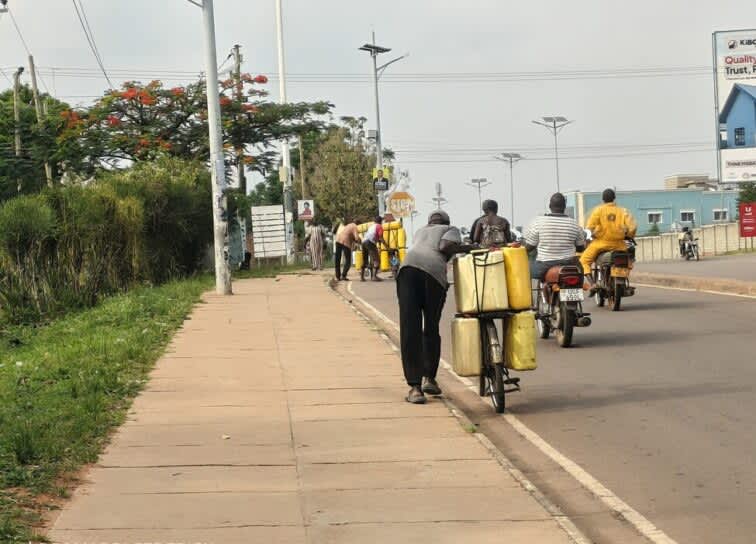
The Uganda Revenue Authority (URA) estimates that Uganda actually loses close to 3 billion shillings daily (over 1 trillion shillings annually) to illegal fuel dealings.
Fuel station operators welcomed the directive, arguing that the illegal fuel trade has caused substantial losses to licensed dealers over the years.
Hajji Rashul Achidri, Director of Asil Oil and Chairperson of Fuel Station Owners in the West Nile Region, said fuel sold on the streets is often unregulated and of questionable quality, yet continues to divert customers away from legitimate businesses.
“We pay taxes, but, we are not making profits because of this illegal trade. We have many fuel stations in Arua and there is no reason to tolerate smuggling. Fuel supplies are sufficient to serve the region,” Achidri said.
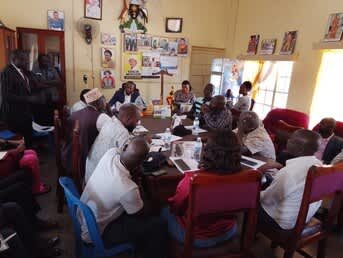
Ayivu Division Mayor Marllon Avutia said, decisive enforcement is necessary to protect investments made by licensed fuel dealers.
“That is already the law. The Petroleum Act does not permit the sale of fuel in jerrycans, and we must enforce it without bias or leniency,” Avutia said.
Arua Central Division Mayor Saiyid Baguma criticized what he described as inadequate coordination among security agencies in combating fuel smuggling and called for stronger collaboration.
Under the Petroleum Supply Act, 2003, individuals found transporting fuel in an unsafe or unauthorized manner using jerrycans can face fines of up to UGX 10 million, imprisonment of up to five years, or both.
The latest enforcement measures form part of a broader government campaign to curb fuel smuggling in the West Nile sub-region, safeguard public safety, and protect revenue collected through licensed petroleum businesses.