


Hi, I am Anguzu, Radio Pacis AI Assistant. How can I help you today? Ask me about Radio Pacis, our programmes, frequencies, news, Arua, or the world around us.
6 June 2026 · Radio Pacis Newsroom
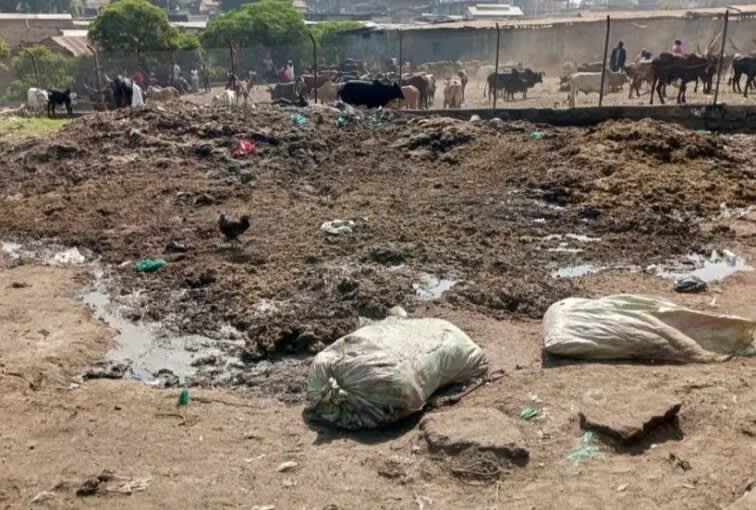
By Onzoma Albert Arua City Arua City is experiencing a severe livestock shortage due to prolonged dry spells, strict animal movement restrictions, and quarantine measures aimed at controlling disease outbreaks such as foot-and-mouth disease. These factors have
By Onzoma Albert
Arua City
Arua City is experiencing a severe livestock shortage due to prolonged dry spells, strict animal movement restrictions, and quarantine measures aimed at controlling disease outbreaks such as foot-and-mouth disease.
These factors have led to a significant surge in meat prices, ranging from UGX 20,000 to UGX 22,000 per kilogram.
Movement restrictions from key supplying districts—including Hoima, Lira, and Soroti—have greatly limited the number of livestock reaching the West Nile region.
According to Dr. Isaac Odongo Ray, the veterinary officer in charge of the Arua city abattoir, the scarcity and low supply of livestock are directly attributed to movement restrictions enforced by security agencies.
“There is a road block mounted at Kololo check-point where all the vehicles bringing animal this side have all been send back since Saturday last week. This situation has greatly affected slaughters and livestock business in Arua city as far livestock product is concerned. The price of meat has remained but the number of slaughter has greatly reduced from average of 25 per day to less than 15 per day, indicating scarcity in Arua city” he said.
Most animals slaughtered in the West Nile region are sourced from major cattle corridors like the Acholi and Karamoja sub-regions, as well as Eastern parts of the country from areas such as Soroti, Hoima, and Palisa.
Safi Alidriga, a livestock trader in Arua, noted that the drastic reduction in slaughters has severely impacted their business, urging the government to intervene and address the situation.
“Livestock supply has completely been blocked and currently we don’t have any other source of getting supplies, yet in those days we used to slaughter animals over 30 per day. If there are any administrative issues to handle, government should help us to resolve them. Even though the epidemics is still there but in-terms of citizens’ survival and livelihood, I suggest business in agricultural products should not be stopped by the government” he appealed.
The Arua city abattoir, which previously slaughtered 25–30 cows and 40–45 goats daily, has seen these numbers fall to fewer than 15 animals per day. This decline has adversely affected both business operations and revenue generation.
The skyrocketing prices of beef have forced many low-income households to regard meat as an occasional luxury.
Consequently, many butchers have ceased operations, while restaurant owners have either reduced meat portion sizes or increased prices.
Furthermore, severe weather conditions have depleted grazing pastures and limited water access for livestock, negatively affecting animal health and local trade.
The rapid growth of the urban population, coupled with stringent trade order enforcements, has compounded operational challenges for livestock traders and the Arua Central Market.
The combination of low livestock supply and high procurement costs has led to reduced profit margins and decreased customer traffic for both butchers and local restaurants.