


Hi, I am Anguzu, Radio Pacis AI Assistant. How can I help you today? Ask me about Radio Pacis, our programmes, frequencies, news, Arua, or the world around us.
27 June 2026 · Radio Pacis Newsroom
Gulu District Local Government Administrative office block. By Proscovia Achomo Gulu City Access to safe and clean water in Gulu District remains below national development targets, with only 68% of residents currently using improved water sources. This leaves
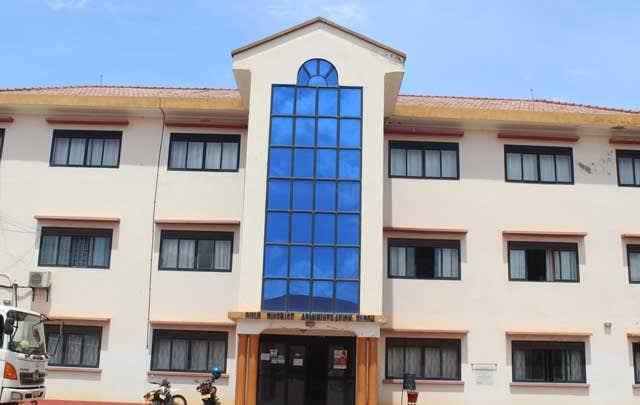
Gulu District Local Government Administrative office block.
By Proscovia Achomo
Gulu City
Access to safe and clean water in Gulu District remains below national development targets, with only 68% of residents currently using improved water sources. This leaves 32% of the population still dependent on unsafe or unreliable water supplies.
Despite gradual improvements in water infrastructure, significant gaps persist, particularly in rural and peri-urban areas where many water points are broken, non-functional, or poorly maintained. As a result, some households continue to rely on unsafe wells and open water sources often shared with animals, exposing communities to health risks.
Gulu District Health Inspector Fred Opio said that while progress has been made in expanding water access, sustainability remains a major challenge due to frequent breakdowns and weak maintenance systems. “Despite the improvements, a significant proportion of the population still relies on unsafe water sources. Many water points are broken or not functional, forcing communities to resort to unsafe alternatives,” he said.
Health risks linked to unsafe water consumption remain a concern, with waterborne diseases such as diarrhea and typhoid continuing to affect vulnerable groups, especially children under five.
In Paicho Sub-county, residents say access to clean water remains a daily challenge, particularly during dry seasons when demand is high and breakdowns are frequent.
Sarah Auma, a resident, said families are often forced to wake up early to search for water. “We sometimes wake up very early to look for water. When the borehole breaks down, we are forced to use unsafe water from streams shared with animals. It affects our families, especially the children,” she said.
In Bungatira Sub-county, another resident, James Oyet, said persistent breakdowns have left communities without reliable water sources. “Our borehole has not worked for months. We now fetch water from a swamp. We know it is not safe, but we have no alternative,” he said.
According to Balington Ongwech, Secretary for Works and Technical Services, the district has allocated UGX 300 million in the next financial year starting July to improve water access.
The funds will support the construction of at least 30 new boreholes across the district.
He also confirmed collaboration with Texans on Mission, a development organization that has committed to constructing 200 additional boreholes. The intervention is expected to significantly improve water coverage and reduce pressure on existing sources.
However, officials acknowledge that uneven distribution of infrastructure and maintenance challenges continue to slow progress toward universal access.
The District Woman Member of Parliament for Gulu District, Phoebe Ayoo Obol, reaffirmed her commitment to expanding access to clean water, saying she has prioritized borehole construction since 2023. “I have had a strong vision of improving access to clean water in my district. Since 2023, I have constructed 56 boreholes, and between January and June alone, I have completed 7 additional boreholes,” she said.
Obol added that lack of clean water disproportionately affects women, who often bear the burden of caring for sick family members.
About 6 in every 10 households in Gulu District have access to improved water sources, while approximately 1 in 3 residents still depend on unsafe or unreliable water points, with rural areas making up the largest share of underserved communities and borehole distribution remaining uneven, leaving some parishes without functional water points.
In Uganda, access to clean water has improved to about 77% in rural areas and 86% in urban areas due to government investment in boreholes and water systems, but gaps remain because many sources are unreliable or non-functional, leaving rural communities with the greatest burden of long distances, poor maintenance, and continued reliance on unsafe water.