
Hi, I am Anguzu, Radio Pacis AI Assistant. How can I help you today? Ask me about Radio Pacis, our programmes, frequencies, news, Arua, or the world around us.
10 March 2026 · Radio Pacis Newsroom
Muni university (File photo) By Martin Anguyo Arua City Muni University has unveiled plans to establish an Institute of Language and Culture, a strategic academic initiative that will introduce Turkish and Chinese language courses aimed at preparing students a
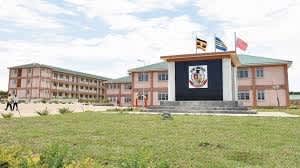
Muni university (File photo)
By Martin Anguyo
Arua City
Muni University has unveiled plans to establish an Institute of Language and Culture, a strategic academic initiative that will introduce Turkish and Chinese language courses aimed at preparing students and professionals to better engage with the growing realities of global trade, diplomacy, and cultural interaction.
The proposed institute is part of the university’s broader effort to equip learners with practical language and intercultural communication skills that are increasingly becoming essential in today’s globalized economy.
Speaking during a press briefing, the Vice Chancellor of Muni University, Professor Anguma Simon Katrini, said the introduction of Turkish and Chinese languages is intended to address communication barriers that often limit effective collaboration between local communities and foreign investors.
“Language remains one of the biggest barriers when our people interact with international partners. By introducing these courses, we want to ensure that our students and professionals are able to communicate, negotiate, and work effectively in a global environment,” Professor Anguma said.
He explained that many local professionals and entrepreneurs miss out on opportunities due to language limitations despite the growing presence of international partners in the region.
“When you understand the language and culture of your partners, you build trust faster and you are able to participate more meaningfully in business, trade, and development projects,” he added.
According to the Vice Chancellor, the institute will not only focus on language instruction but will also promote cultural understanding, which he described as an important component in strengthening long-term partnerships between Uganda and international investors.
The initiative comes at a time when international engagement is steadily shaping economic opportunities across Uganda, particularly in the West Nile sub-region where foreign investors—especially from China—are becoming more active in sectors such as construction, trade, and infrastructure development.
The development reflects a broader shift among higher institutions of learning to align academic programs with emerging global economic trends.
Studies indicate that more than 60 percent of foreign-funded infrastructure projects in Uganda are implemented by Chinese contractors, pointing to the growing influence of Chinese investment in the country’s development agenda.
With the planned Institute of Language and Culture, Muni University hopes to position itself as a regional hub for language training and cross-cultural learning while strengthening the ability of students and professionals in West Nile to compete and collaborate effectively in the global economy