


Hi, I am Anguzu, Radio Pacis AI Assistant. How can I help you today? Ask me about Radio Pacis, our programmes, frequencies, news, Arua, or the world around us.
24 April 2026 · Radio Pacis Newsroom
Motorists struggling to access fuel at one of the fuel stations in Arua city. By Onzoma Albert Arua City Motorists and transport operators in Arua City are increasingly concerned about a sharp rise in fuel prices, with costs ranging from UGX 6,000 to UGX 8,000
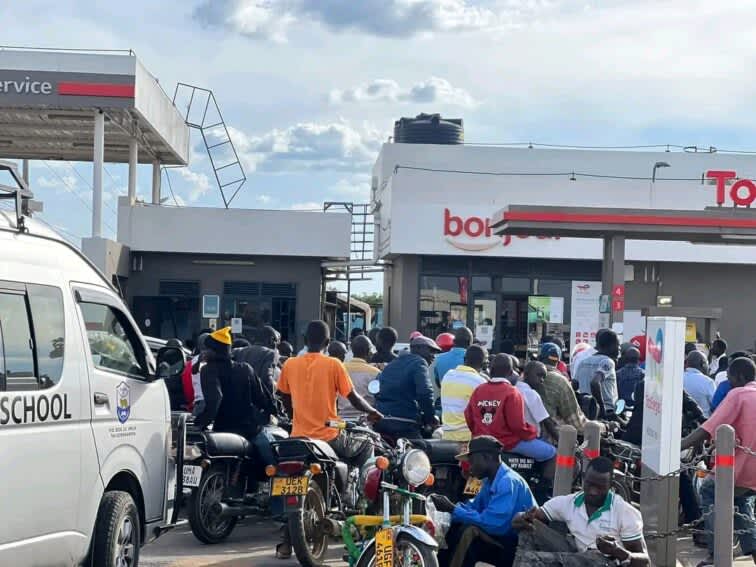
Motorists struggling to access fuel at one of the fuel stations in Arua city.
By Onzoma Albert
Arua City
Motorists and transport operators in Arua City are increasingly concerned about a sharp rise in fuel prices, with costs ranging from UGX 6,000 to UGX 8,000 per liter at many pump stations.
This surge has led to panic buying and localized shortages with several factors contributing to this situation, including ongoing geopolitical instability in the Middle East—specifically involving Iran, Israel, and the U.S. which has disrupted supply chains and increased import costs.
Emmanuel Aguta, a member of Greater Arua Local Government Drivers Association explained that drivers face severe difficulties accessing fuel, causing operational losses and disrupting service delivery.
“In this current fuel crisis here in Arua city, you find that the lines are too long you will have to wait for hours in line while waiting for fuel because for us sometimes you find out that going out for field work you don’t have fuel and getting the fuel timely is another challenge because of the service providers have little stocks available in their reserves, so most times they prefer giving the little to their long-time customers especially buses and these delays affects us when it comes to service delivery,” he said.
Additionally, increased demand from neighboring countries such as Kenya and the Democratic Republic of Congo, where fuel prices are higher, has prompted cross-border buying.
Bottlenecks and slow clearance at the Kenya-Uganda border have further restricted supply, leading to dry fuel stations in Arua City and other West Nile districts. The depreciation of the Ugandan shilling against the U.S. dollar has also made fuel imports more expensive.
Despite the government’s claim of stable national fuel stocks—with 70.5 million liters of petrol and 43.2 million liters of diesel available as of April 20, 2026, officials have warned dealers against hoarding and unjustified price hikes.
Patrick Anguyo, public relations officer of the Arua City boda-boda association, reported that many boda-boda riders have reduced daily earnings, with some returning hired motorcycles due to unsustainable petrol costs.
“The current fuel crisis has affected us greatly financially currently a liter of fuel which used to bring for reasonable amount has changed this time around, most of us have families who need our support because of all this we are really burning seriously, some of our members have already parked their motorcycles and those who ride hired motorcycles have returned them to their owners,” he said.
Taxi operators have increased fares on several routes to cover rising operational costs, causing commuter distress. The high fuel costs are also slowing cargo transportation and pushing up prices of essential commodities.
Parliament is considering tax legislation that would add Shs 200 per liter to fuel levies in the 2026/27 budget, potentially increasing future costs further.
The government has assured the public that fresh fuel shipments are en-route to Mombasa to stabilize supply, but local shortages and high prices persist in Arua City and other affected areas.