


Hi, I am Anguzu, Radio Pacis AI Assistant. How can I help you today? Ask me about Radio Pacis, our programmes, frequencies, news, Arua, or the world around us.
29 April 2026 · Radio Pacis Newsroom
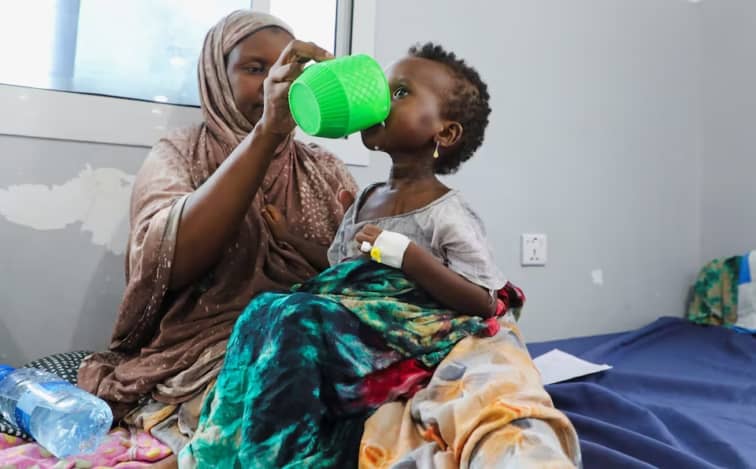
An internally displaced Somali woman feeds her malnourished child at the Daynile hospital, Mogadishu, Somalia April 20, 2026. REUTERS/Feisal Omar REUTERS For Somalia’s malnourished children, already suffering the twin catastrophes of looming famine and radical
REUTERS
For Somalia’s malnourished children, already suffering the twin catastrophes of looming famine and radical cuts in foreign aid, the U.S.-Israeli war on Iran means more than soaring petrol pump prices; it is a matter of life and death.
Shortages of lifesaving therapeutic foods exacerbated by shipping disruptions are forcing clinics to turn away severely malnourished children and ration supplies, Reuters reporting shows.
Almost half a million children under 5 suffer from “severe acute malnutrition” or “wasting”, the most life-threatening form of hunger, and the delays are worsening the effect of the aid reductions.
Health workers in Baidoa and Mogadishu say they have had to stretch out meagre stocks of specialised milk and nutrient-dense peanut-based paste vital to saving these children.
“Since the needs are large and we don’t have a lot of supplies, we have had to keep reducing the amount we give children,” nurse Hassan Yahye Kheyre said.
The 225 cartons of peanut paste remaining at his clinic, which treats more than 1,200 children, will probably be exhausted within two weeks, according to the International Rescue Committee, which supplies the facility.
“If treatment is on-and-off, the children will become very weak, physically and mentally. And it may not be possible to reverse it,” Kheyre added.
The IRC is one of three aid groups that said transport delays and rising costs linked to the war in Iran were making an already complicated situation worse.
Nine years on, a new drought has pushed 6.5 million people, or one in three Somalis, into acute hunger, and aid groups are desperately trying to plug gaps.