


Hi, I am Anguzu, Radio Pacis AI Assistant. How can I help you today? Ask me about Radio Pacis, our programmes, frequencies, news, Arua, or the world around us.
30 June 2026 · Radio Pacis Newsroom
Different leaders during the multi-stakeholders’ board meeting By Biko Rombe Gulu City Health experts, cultural leaders, caregivers, government officials and development partners have called for increased investment in sickle cell awareness, screening, and tre
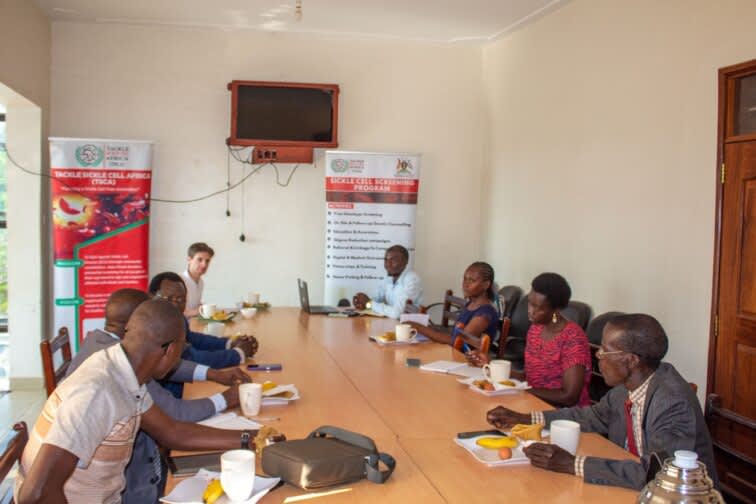
Different leaders during the multi-stakeholders’ board meeting
By Biko Rombe
Gulu City
Health experts, cultural leaders, caregivers, government officials and development partners have called for increased investment in sickle cell awareness, screening, and treatment and decentralized healthcare services to address the growing burden of sickle cell disease in Northern Uganda.
The call was made during a multi-stakeholder board meeting organized by TACKLE Sickle Cell Africa at the Gulu District Administrative Block on Thursday, June 25, 2026.
The meeting brought together officials from Gulu District Local Government, Gulu Regional Referral Hospital, Ker Kwaro Acholi, caregivers, people living with sickle cell disease and international partners to discuss challenges affecting sickle cell prevention and management and identify strategies to improve services across the region.
Speaking during the meeting, TACKLE Sickle Cell Africa Founder and Executive Director Derrick Mtatina said the organization continues to work with government institutions, health facilities, cultural leaders and development partners to improve awareness, increase access to screening services and strengthen care for people living with sickle cell disease.
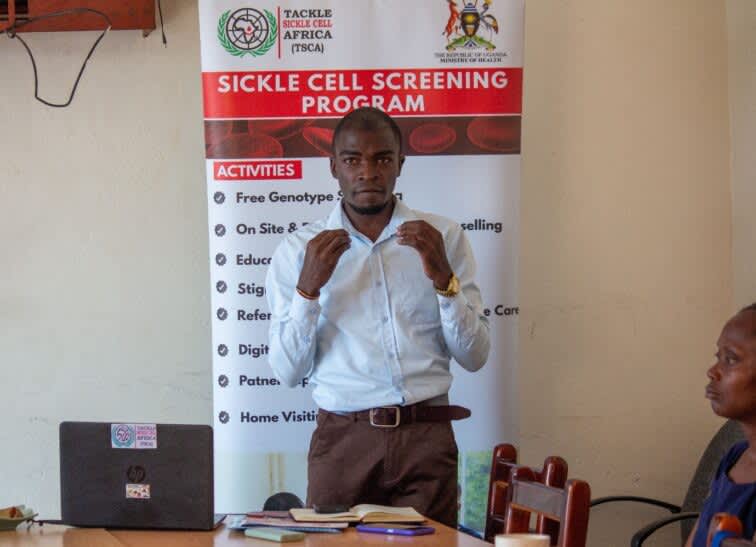
Director of tackle sickle cell Africa addressing board members
“Our mission is not only to educate communities about sickle cell disease but also to ensure people know their sickle cell status and make informed decisions that will help reduce new cases while improving the quality of life of those already living with the condition,” Mtatina said.
He emphasized that one of the most effective ways of reducing new cases is ensuring that individuals know their sickle cell status before starting families.
“The only way we can break the chain of sickle cell disease in families is by ensuring people know their status. When carriers understand their genetic status, they can make informed reproductive decisions and prevent children from being born with sickle cell disease,” he said.
Mtatina noted that the organization is also advocating for newborn screening so children born with sickle cell disease can be diagnosed early and linked to treatment before complications develop.
He urged government and development partners to increase funding for sickle cell programmes, saying awareness campaigns, screening services, treatment and community outreach remain underfunded despite the growing burden of the disease.
One of the meeting’s most emotional testimonies came from Amongin Betty, a 42-year-old midwife living with sickle cell disease, who shared the physical, emotional and social challenges faced by people living with the condition.
She described years of painful crises, repeated hospital admissions, discrimination in schools and workplaces, and misconceptions that continue to fuel stigma within communities.
“We are not ghosts. We are not contagious. We are simply living with a genetic condition and deserve the same opportunities and respect as everyone else,” she said.
Betty also appealed for greater psychosocial support, economic empowerment for affected families, continuous public awareness campaigns and consistent availability of essential medicines.
Regional Paediatrician Dr. Palmer Acheng said Gulu Regional Referral Hospital currently follows approximately 650 children and adolescents living with sickle cell disease, with between three and five new cases enrolled every month.
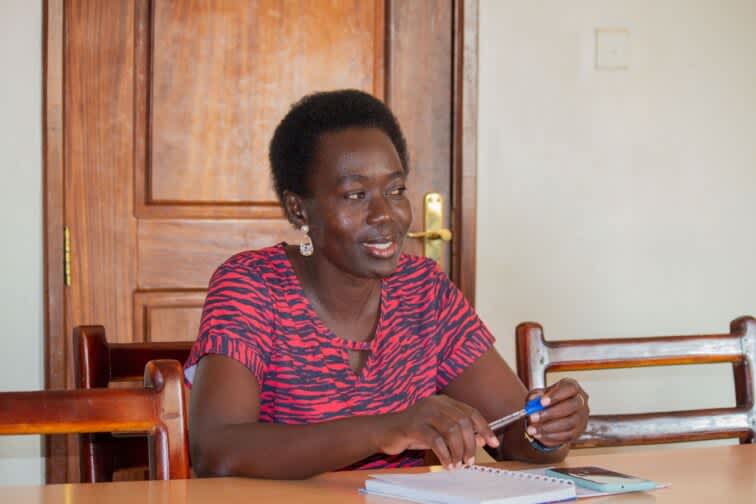
Dr. Palmer Acheng during the board meeting
She said although the hospital offers screening, laboratory investigations and treatment, specialized services remain centralized at the regional referral hospital, making access difficult for families travelling from districts such as Nwoya, Pader and Kitgum.
Dr. Acheng explained that while medicines, including hydroxyurea, are generally available, occasional stock-outs still occur, and the biggest challenge remains expanding services to general hospitals and Health Centre IVs closer to communities.
She also cited inadequate staffing, limited access to confirmatory diagnostic tests and insufficient follow-up of patients as challenges affecting service delivery.
Caregiver and TACKLE Sickle Cell Africa board member Quinto Okello highlighted the heavy burden borne by families raising children with sickle cell disease.
Drawing from nearly two decades of caring for two children living with the condition, Okello said delayed diagnosis, repeated hospital admissions, drug shortages, high treatment costs and disruption of children’s education continue to affect many households.
He also called for specialized sickle cell clinics and medical insurance support to ease the financial burden on families.
Ker Kwaro Acholi Prime Minister Martin Okumu pledged the cultural institution’s support in expanding awareness campaigns throughout the Acholi Sub-region.
He said the institution would use its network of traditional chiefs, religious leaders and media partnerships to disseminate accurate information about sickle cell disease in local languages and help eliminate misconceptions surrounding the condition.
“We are ready to work with TACKLE Sickle Cell Africa in creating public awareness because healthy communities are essential for development,” Okumu said.
Gulu District Health Officer Dr. Yoweri Idiba described sickle cell disease as one of the major public health challenges affecting the Acholi Sub-region, where prevalence remains among the highest in Uganda.
He said limited awareness materials, inadequate community sensitization, weak referral systems, shortages of trained health workers, insufficient funding and blood shortages continue to affect service delivery.
Dr. Idiba emphasized the need to strengthen collaboration among government, health workers, cultural institutions, religious leaders, schools and community health workers to improve awareness, early diagnosis and treatment.
International fundraising expert Sean Roberti, who travelled from the United Kingdom to attend the meeting, said listening to the experiences shared by patients, caregivers and health professionals had deepened his understanding of the far-reaching effects of sickle cell disease.
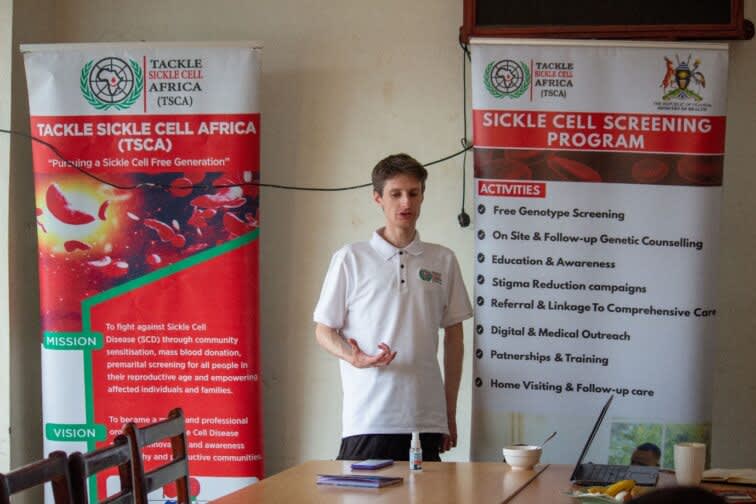
Sean Roberti while addressing board members
He said many misconceptions still persist, including beliefs that sickle cell disease is contagious or that those living with the condition cannot live productive lives.
Roberti reaffirmed his commitment to continue supporting TACKLE Sickle Cell Africa’s work in raising awareness, reducing stigma and strengthening access to screening and treatment services in Northern Uganda.
The meeting concluded with a renewed commitment from stakeholders to work together to strengthen public education, expand screening services, decentralize treatment, improve the availability of essential medicines and reduce the stigma associated with sickle cell disease.
Participants agreed that increased investment, stronger partnerships and sustained community awareness will be key to reducing the burden of sickle cell disease and improving the lives of affected families across Northern Uganda.