
Hi, I am Anguzu, Radio Pacis AI Assistant. How can I help you today? Ask me about Radio Pacis, our programmes, frequencies, news, Arua, or the world around us.
3 July 2026 · Radio Pacis Newsroom
Some of the Zebras trans located to Ajai Wildlife Reserve in Madi Okollo District (Courtesy Photo) URN The Uganda Wildlife Authority (UWA) has translocated 25 zebras to Ajai Wildlife Reserve in Madi Okollo District as part of ongoing efforts to restore biodive
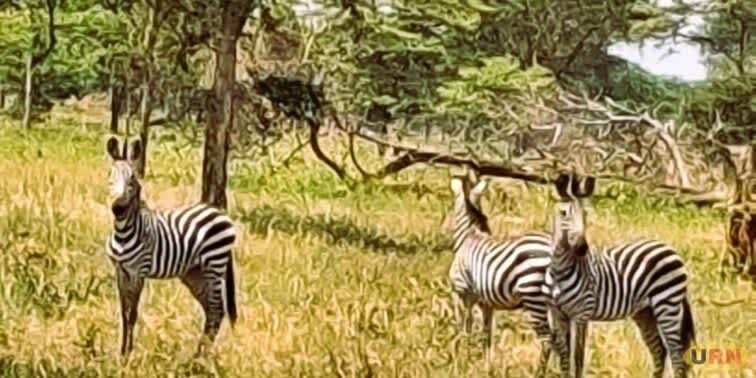
Some of the Zebras trans located to Ajai Wildlife Reserve in Madi Okollo District (Courtesy Photo)
URN
The Uganda Wildlife Authority (UWA) has translocated 25 zebras to Ajai Wildlife Reserve in Madi Okollo District as part of ongoing efforts to restore biodiversity and strengthen conservation in one of Uganda’s oldest protected areas.
The first batch of zebras arrived at the reserve on Tuesday, June 16, 2026, while the latest batch arrived on Tuesday, June 30, 2026, according to officials at the wildlife reserve.
In an earlier statement posted on its official X account, UWA said the exercise is part of a broader ecological restoration programme aimed at rebuilding wildlife populations and enhancing the reserve’s tourism potential.
“Following the translocation of rhinos in Ajai, the reintroduction of zebras is part of broader conservation efforts aimed at enhancing biodiversity and restoring the reserve’s ecological integrity,” the statement reads in part.
The introduction of the zebras follows the successful reintroduction of four southern white rhinos at Ajai Wildlife Reserve earlier this year.
Wilson Katamigwa, the Chief Warden of Ajai Wildlife Reserve, says wildlife populations within the reserve are steadily increasing, with Uganda kobs, buffaloes and rhinos thriving under improved protection. He further noted that the zebra translocation exercise is still ongoing, with UWA targeting at least 50 zebras in the reserve.
“Our animals are visibly seen, especially Uganda kobs, which are everywhere inside the boma, the inner electric fence, the outer electric fence and across the rest of the reserve. Buffaloes are doing well, and rhinos as well. The zebra operations are continuing. More are still coming,” Katamigwa said.
Boniface Kadabara, the Chief Executive Officer and Team Leader at West Nile Birding and Safari, says the arrival of the zebras will make Ajai Wildlife Reserve more attractive to visitors and stimulate tourism-related investments in the region.
“The translocation of the zebras is a great step towards the takeoff of West Nile tourism. It will help transform Ajai Wildlife Reserve into a one-stop tourism destination for the West Nile sub-region,” Kadabara said.
Ajai Wildlife Reserve was first established as a Game Sanctuary by the British colonial administration in 1937, initially covering just four square kilometres to protect the remaining white rhinoceros population in the area. It was later gazetted as a Wildlife Reserve in 1965 and expanded to its current 166 square kilometres.