


Hi, I am Anguzu, Radio Pacis AI Assistant. How can I help you today? Ask me about Radio Pacis, our programmes, frequencies, news, Arua, or the world around us.
24 March 2026 · Radio Pacis Newsroom
Some of demolished makeshift structures erected by the street vendors in Arua City (Photo: Onzoma Albert) By Onzoma Albert Arua City Arua City Council has intensified its efforts to regulate street vending and curb illegal business activities in Arua Central D
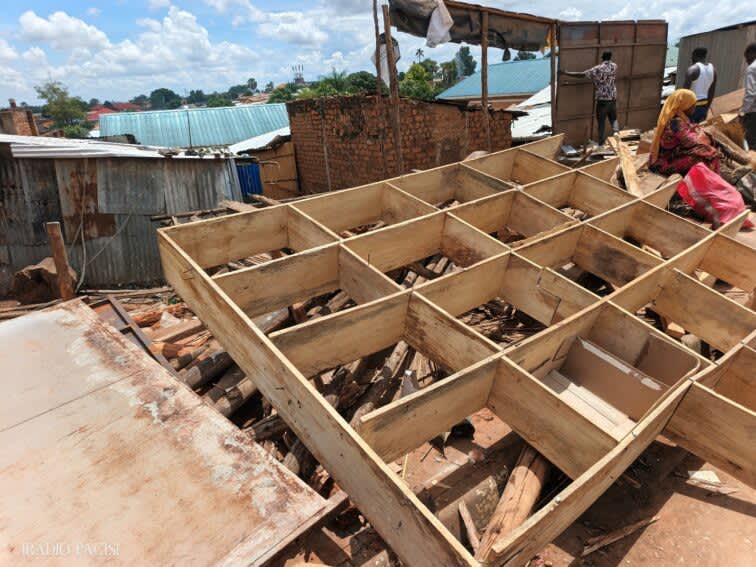
Some of demolished makeshift structures erected by the street vendors in Arua City (Photo: Onzoma Albert)
By Onzoma Albert
Arua City
Arua City Council has intensified its efforts to regulate street vending and curb illegal business activities in Arua Central Division, beginning enforcement actions on March 23, 2026.
The initiative, carried out by Ayivu and Central divisions, involved demolishing kiosks and makeshift stalls erected by street vendors. Many vendors had already vacated the streets in response to issued notices, although some criticized the council for not adequately meeting their needs.
Ali Enzama, chairperson of Arua City Fresh Fish Association, rejected the alternative market offered by the council. He cited the conditions at Arua main market such as water shortages, limited operating hours, and small stall sizes do not suit the nature of their fresh fish business.
“We wrote a lot of complaint letters to the council but up to now we have not received any feedback from them, now since we have been left stranded on the streets, we do not have any other place to go to and we shall remain on the street vending until the council complies with demands by getting for us another alternative market not the main market before we leave the streets,” he firmly said.
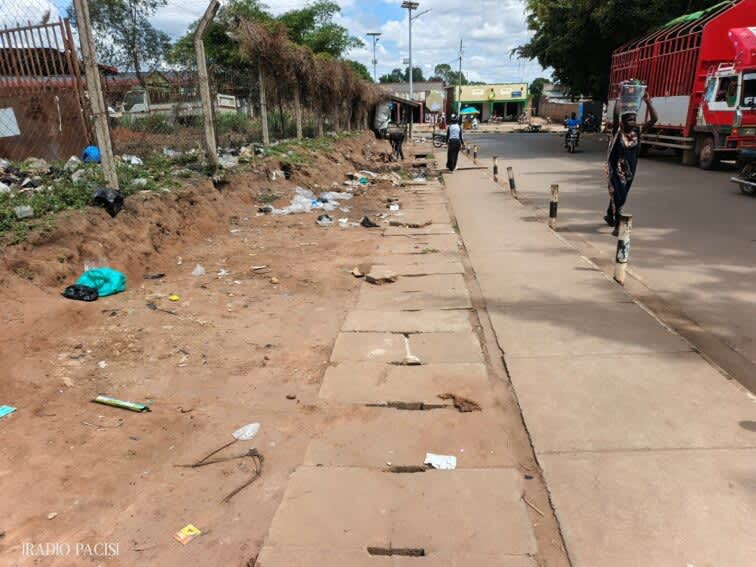
The empty Iddi Amin Road in Arua City one of the streets where the vendors used to operate (Photo: Onzoma Albert)
Hajara Nakayyi, appreciated the enforcement but expressed concerns over the short notice given and the lack of available shops for those displaced.
“The council is right to evict us from vending on the streets but our challenge is that Arua City does not have enough shops or arcades for us to rent, it is not that we cannot afford the shops or arcades but our issue is they are not available that’s why we resort to selling in kiosks, they did not even give us enough time to prepare or warn us prior and they just came to us saying that tomorrow we are demolishing our properties which is not good at all,” she expressed.
Similarly, Raddy Zicky, another affected vendor, highlighted that the enforcement had negatively impacted their livelihoods and appealed for consideration of vendors with limited capital during the process.
“This enforcement has really affected me so much and I do not know how I am going to pay school fees, rent for my house and settle in the city with this situation on ground, according to me Arua does not qualify to be among the cities enforcing the trade order due the nature of businesses some of us with limited capital operate in the city” he said.
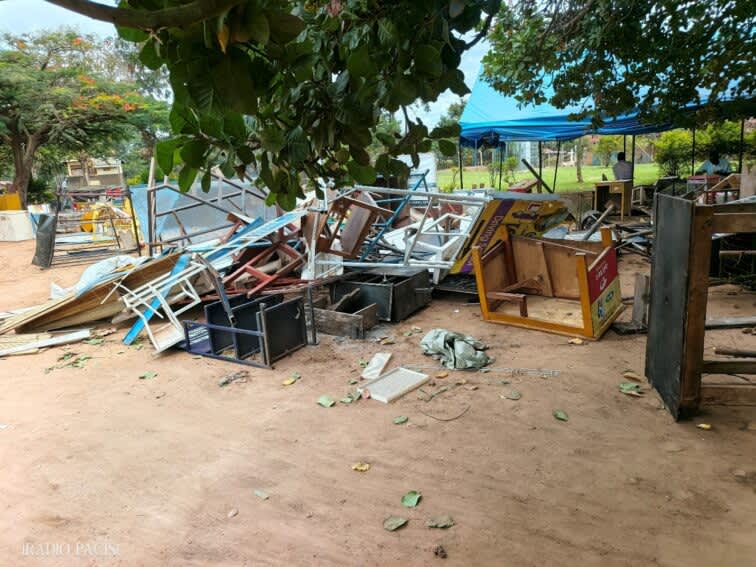
Some of the demolished structures on Monday night parked at Arua Central Division Headquarters in Oli (Photo: Onzoma Albert)
Silas Anguzu, chairperson of the Arua City Chamber of Commerce, expressed support for the enforcement, urging authorities to use minimal force to avoid causing injuries to vendors.
“We always work closely with the city council and we are fully aware of what is happening because we have been assisting the council in sensitizing the street vendors to avoid the repeat of what happened last time, we are now urging the street vendors to comply before the enforcement team approaches them and let the enforcement officers have mercy on the street vendors” he said.
Prior to enforcement, the council conducted extensive sensitization campaigns targeting traders, transport operators, and business owners to inform them about the upcoming measures. These efforts aimed to restore urban order, reduce congestion, improve sanitation, and enhance road and walkway safety.
A two-week grace period, starting February 13, 2026, allowed traders to voluntarily comply with the new regulations. Following this period, Ayivu Division increased its sensitization activities, paving the way for the enforcement. The measures are supported by legislation such as the Public Health Act, Local Governments Act, Roads Act, and Physical Planning Act, which prohibit conducting business in unauthorized areas.
Despite the enforcement actions, attempts to obtain official responses from Arua city authorities have been unsuccessful, as responsible officers were unavailable for comment as of press time.
The city’s efforts aim to improve urban orderliness and public safety, though some vendors continue to face challenges related to relocation and livelihood stability.