


Hi, I am Anguzu, Radio Pacis AI Assistant. How can I help you today? Ask me about Radio Pacis, our programmes, frequencies, news, Arua, or the world around us.
26 June 2026 · Radio Pacis Newsroom
Self-proclaimed traditional herbalists during NDA stakeholder engagement on Regulatory measures of the activities of Herbalists. By Dramadri Federick Arua city Government authorities have announced plans to intensify a crackdown on individuals masquerading as

Self-proclaimed traditional herbalists during NDA stakeholder engagement on Regulatory measures of the activities of Herbalists.
By Dramadri Federick
Arua city
Government authorities have announced plans to intensify a crackdown on individuals masquerading as traditional herbalists amid growing concerns over environmental destruction and threats to public health.
The warning was issued during an engagement with self-proclaimed traditional herbalists from districts of Terego, Maracha, Madi Okollo, Yumbe, Arua, and Arua City. Officials from the districts including those from the entities of National Drug Authority (NDA), Uganda Police Force, and the Office of the President expressed alarm over the increasing number of unregulated practitioners operating across the region.
According to the officials, many of the individuals claiming to be herbalists are contributing to environmental degradation through the indiscriminate harvesting of medicinal plants, destruction of forest reserves, and exploitation of water ecosystems. They also accused some practitioners of diverting patients away from recognized health facilities to unlicensed shrines, contrary to Uganda’s laws and health regulations.
Arua Resident City Commissioner, Retired Major Akello Betty Otekat, revealed that authorities are preparing a major operation targeting those involved in illegal herbal medicine practices.
“You go into our remaining forest reserves in Ayivu Division along River Enyau and strip the bark completely around trees, leaving them to dry. You dig out medicinal plants up to the roots without replanting them. If you destroy the ecosystem today, what will you use to treat your patients tomorrow? We shall not allow this to continue,” Otekat warned.
Hajji Mukwaya Jamil Lutakome, the National Chairperson of the Uganda National Traditional Healers and Herbalists Association, disclosed that although more than 400 herbalists are officially registered across Uganda, none are registered from the West Nile sub-region.
“The problem with some herbal practitioners in West Nile is that they do not want to listen to advice regarding registration, regulation, and certification. Yet we have a law that does not eliminate practitioners but rather guides and protects them,” Jamil said.
Health officials also raised concerns about the impact of unregulated herbal medicine on public health. Sally Andezu, Senior Nursing Officer for Arua City, noted that quack herbalists have been linked to cases of preventable deaths due to incorrect diagnoses and harmful prescriptions.
“The government allows the use of herbal medicine, but practitioners must follow the required procedures. They should be registered, and their products inspected by the National Drug Authority to ensure they are safe and do not pose health risks to the community,” Andezu explained.
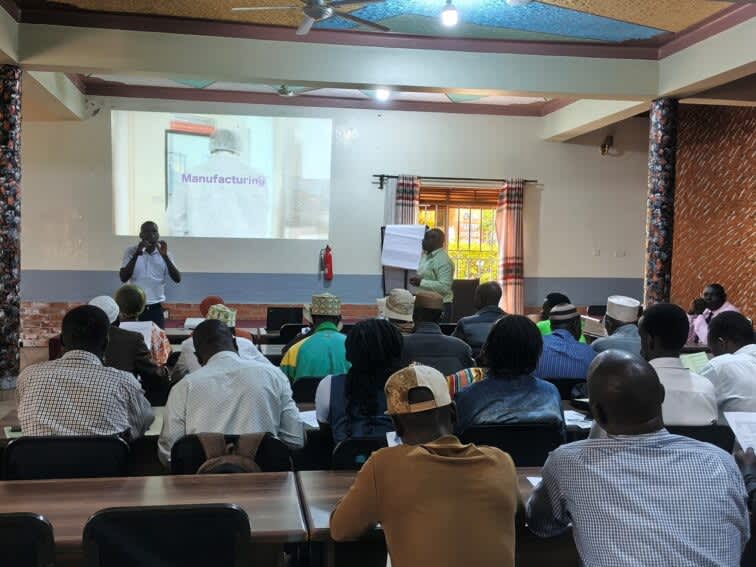
Health Authorities warn of dire consequences of unregulated production and use of drugs.
Meanwhile, NDA Public Relations Officer Fredrik Ssekyana revealed that only about 300 herbal products have been approved for trade nationwide, despite more than one million herbal products reportedly circulating on the market.
Ssekyana said the ongoing engagement aims to raise awareness about the importance of legalizing traditional herbal medicine practices, improving compliance with regulations, and safeguarding public health.
Under the Traditional and Complementary Medicine Act, 2019, any person practicing or dealing in traditional herbal remedies must possess a valid practicing licence. The law also requires practitioners to hold at least a certificate or diploma in traditional medicine.
Authorities have urged all herbal practitioners to register and comply with the law, warning that those operating illegally will face enforcement action as the government moves to protect both the environment and public health.