


Hi, I am Anguzu, Radio Pacis AI Assistant. How can I help you today? Ask me about Radio Pacis, our programmes, frequencies, news, Arua, or the world around us.
21 July 2026 · Radio Pacis Newsroom
The regional Electoral commission office in Arua city- File Photo by Morish Dramadri By Morish Dramadri Arua City With only days remaining before the Village Women Council elections, the Electoral Commission in Arua City has confirmed its readiness to conduct
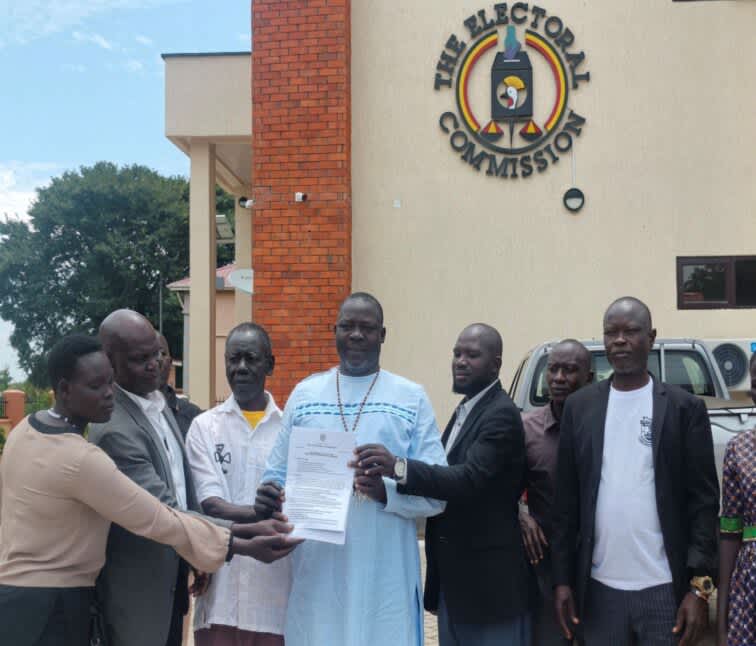
The regional Electoral commission office in Arua city- File Photo by Morish Dramadri
By Morish Dramadri
Arua City
With only days remaining before the Village Women Council elections, the Electoral Commission in Arua City has confirmed its readiness to conduct the long-awaited grassroots polls following the successful nomination of candidates across the city.
Although the total number of nominated candidates had not been compiled by press time, preliminary information from the Electoral Commission indicates that candidates from the ruling National Resistance Movement (NRM) and independents are dominating the race in most village cells.
Arua City Returning Officer Osman Ezale said all logistical and administrative preparations have been completed, with election materials and personnel set to be deployed to polling stations ahead of the exercise.
Ezale reminded the public that the Village Women Council elections are exclusively for women, with only female voters participating in electing women council leaders.
“We are ready, materials are ready. Tomorrow we shall be dispatching them to the villages including personnel, presiding officers and then additional people have already been looked for. Thursday, July 23, it is only women voting, while July 28 is for all the residents in the cell,” Ezale said.
The Village Women Councils form part of Uganda’s Local Council system and are mandated to promote women’s participation in governance, mobilize communities for development programmes, advocate for the welfare and rights of women and children, resolve minor community disputes affecting women, and represent women’s concerns before higher local government structures.
At the same village level, the Local Council I (LC I) Chairperson serves as the head of the village administration and is responsible for coordinating local governance, maintaining law and order, mobilizing residents for government programs, supporting dispute resolution, certifying official documents such as letters of residence, and acting as the first point of contact between government and the community.
Meanwhile, NRM Director for Finance and Administration Hajjat Medina Naham Ojale urged residents, particularly in West Nile, to appreciate the significance of the Local Council elections by electing leaders with integrity, competence and a clear development agenda.
“We want to tell Ugandans, especially here in West Nile, that the position of LC I and the position of the Women Council at the village level is the fulcrum of leadership for all people in this country. When you mess it up, it means services at the lowest level of governance, which is the village, will not be effective. We therefore appeal to you to vote for people who work well with the government and have a manifesto,” Medina emphasized.
Arua City Mayor Lawrence Alionzi also appealed to residents to actively participate in the elections, noting that effective grassroots leadership is essential for improved service delivery and community development.
“Perhaps the excitement may not be as high, but don’t be deceived about the importance of these LC I Chairperson positions. It is not enough to vote for a good mayor; you must also vote for good LC I chairpersons. Come out on Thursday to vote in the Women Council elections, then on July 28 come out again and vote for the LC I chairpersons,” Alionzi said.
The Village Women Council elections will be conducted using the lining-up voting method on Thursday, July 23, 2026, while elections for Village Local Council I Chairpersons will follow on July 28, with all registered village residents eligible to participate.
The elections are expected to complete the formation of the country’s grassroots leadership structures, which play a critical role in local governance, community mobilization and service delivery.