


Hi, I am Anguzu, Radio Pacis AI Assistant. How can I help you today? Ask me about Radio Pacis, our programmes, frequencies, news, Arua, or the world around us.
19 June 2026 · Radio Pacis Newsroom
Briquettes. Courtesy By Morish Dramadri Arua City Limited public acceptance of briquettes as an alternative source of energy is undermining the growth of the briquette production industry in Arua City, forcing many trained producers to abandon the venture. Bri
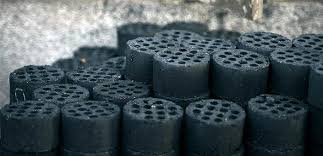
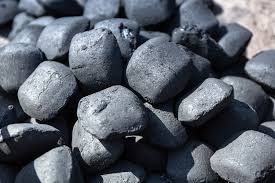
Briquettes. Courtesy
By Morish Dramadri
Arua City
Limited public acceptance of briquettes as an alternative source of energy is undermining the growth of the briquette production industry in Arua City, forcing many trained producers to abandon the venture.
Briquettes are compressed fuel blocks made from biomass materials such as agricultural waste. They are widely promoted as an environmentally friendly alternative to traditional fuels like firewood and charcoal. Over the past few years, several organizations, including RICE-West Nile, have invested in training young people in briquette production, hoping to create employment opportunities and promote sustainable energy use.
However, despite these efforts, both the production and consumption of briquettes in Arua City remain low. Observations indicate that many individuals who acquired briquette-making skills have failed to turn the training into viable businesses due to weak market demand and persistent negative perceptions among consumers.
Tualib Onzima, Chief Executive Officer of Onzi Smart Energy and Poultry Cottage Industry producing briquette in Asuru cell, Tanganyika ward in Arua city, said many trained producers have abandoned the business because residents are yet to fully appreciate briquettes as a reliable alternative energy source.
“Many organizations trained people in briquette production, but most of those trained are no longer implementing the skill as a business. We still have a negative mindset towards briquettes, yet they can effectively replace charcoal and firewood,” Onzima said.
Environmental experts view the challenge as an opportunity for the private sector to invest in clean energy solutions while contributing to environmental conservation.
Mary Dawaru, the Senior Environment Officer for Ayivu Division, encouraged entrepreneurs to explore briquette production as a viable business venture that can also help address climate change.
“This presents an opportunity for the private sector to invest in briquette production. Such businesses offer significant environmental benefits, especially in mitigating the effects of climate change,” Dawaru noted.
Meanwhile, Ayivu Division Town Clerk Geoffrey Mugomba called for increased tree planting, particularly in areas that are not yet connected to electricity. He argued that sustainable afforestation could provide a long-term source of biomass for energy production.
“We may not all embrace gas and electricity immediately, especially in areas where electricity has not yet reached. We need to plant more trees and reserve some for sustainable biomass extraction and energy use,” Mugomba said.
As global efforts to combat climate change and environmental degradation intensify, experts say wider adoption of briquettes could provide an affordable, efficient and eco-friendly alternative to firewood and charcoal, while reducing pressure on forests and promoting sustainable energy use in communities.