


Hi, I am Anguzu, Radio Pacis AI Assistant. How can I help you today? Ask me about Radio Pacis, our programmes, frequencies, news, Arua, or the world around us.
20 May 2026 · Radio Pacis Newsroom
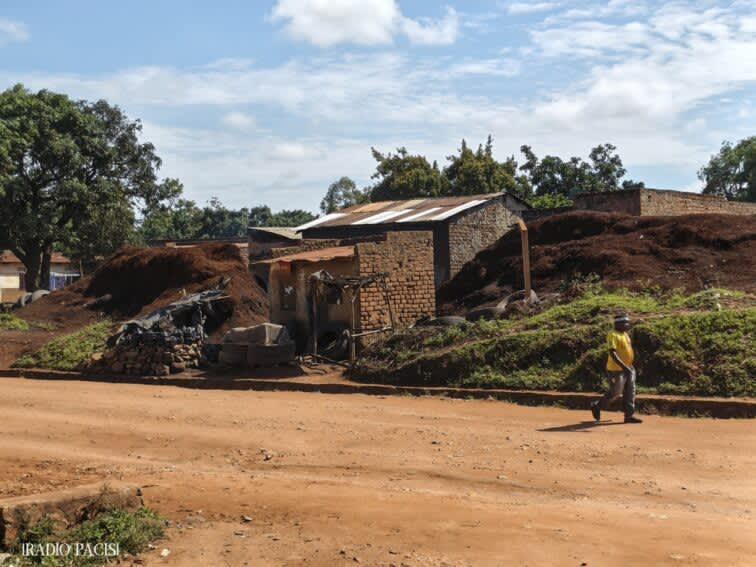
Accumulated of tyre wastes in one of the centers for burning tyres along Onduparaka-Lia Road By Onzoma Albert Arua City Residents of Arua Central Division in Arua City are increasingly concerned about the persistent practice of burning old car tyres. This haza
By Onzoma Albert
Arua City
Residents of Arua Central Division in Arua City are increasingly concerned about the persistent practice of burning old car tyres.
This hazardous activity has been linked to significant air pollution, health risks and damage to the environment and infrastructure.
The issue is part of a broader, unregulated waste management challenge affecting Ugandan urban areas, where discarded tyres are burnt primarily for smearing houses and to extract metals for resale.
It results in the release of toxic fumes and smoke, particularly in wards such as Kenya and Tanganyika, especially in Oli D Cell.
The burning of tyres releases harmful emissions—including carbon dioxide (CO2), methane (CH4), Sulphur dioxide (SO2), and heavy metals—that pose serious health threats such as respiratory diseases and cancer.
Local leaders, including Brahan Bolingo, the chairperson of Oli D Cell, have called for strict penalties against those involved, criticizing the ineffectiveness of repeated warnings and engagements with city health teams and leadership. Despite these efforts, the activity persists.
“We are appealing to the responsible authorities to respond to the issue of these people who are burning tyres and if possible take them to court as an example for others to learn from so that we feel free and safe health wise in this area, because, this activity has negatively affected our health as community members living in this area,” he said.
Beyond health concerns, tyre burning causes structural damage and environmental degradation. The ashes and chemicals from burned tyres sink into soils and nearby water sources, such as River Enyau, which supplies water to Arua City. This pollution affects plant growth, aquatic life, and makes water unsafe for human use. It also contributes to climatic changes and environmental instability.
Authorities, including Dr. Alfred Amandu, the acting Arua City principal health officer in-charge of environmental health, have urged responsible tyre recycling and stronger enforcement of environmental laws.
“We need to promote tyre recycling and re-use like some people make shoes out tyre, others use it for making handles of things slashers, knife and they can as well be taken back to the factory as some of the solutions, maybe we need to as well continue to increase community awareness and understanding on issues of environmental protection, that means we need to strengthen law against open burning” he said.
However, those involved in tyre burning have declined to speak publicly about their activities when approached for comment.
The issue emphasizes the need for improved waste management strategies—transforming tyre waste into valuable resources rather than resorting to hazardous burning.
Similar to efforts against illegal bush burning, stricter controls and sustainable waste practices are essential to mitigate environmental degradation and protect public health in Arua City and beyond.