


Hi, I am Anguzu, Radio Pacis AI Assistant. How can I help you today? Ask me about Radio Pacis, our programmes, frequencies, news, Arua, or the world around us.
14 June 2026 · Radio Pacis Newsroom
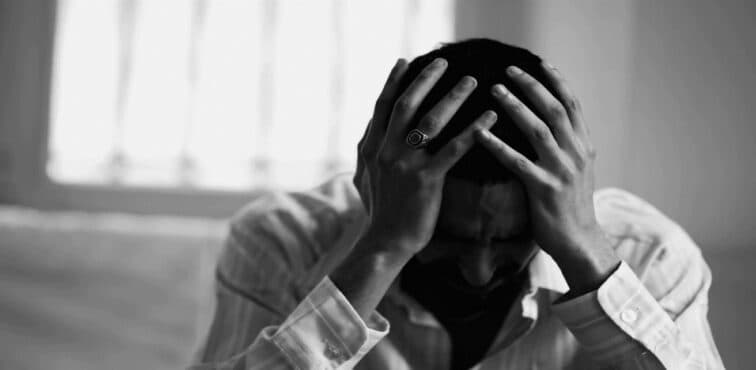
COURTESY PHOTO By Erema George Arua City Stakeholders are rooting for better mental health for men as mental health remains a persistent challenge amongst men with research indicating 1 in 10 men suffer from depression or anxiety globally. Mental health remain
COURTESY PHOTO
By Erema George
Arua City
Stakeholders are rooting for better mental health for men as mental health remains a persistent challenge amongst men with research indicating 1 in 10 men suffer from depression or anxiety globally.
Mental health remains a profound challenge for men primarily due to deeply ingrained societal norms, the stigma around vulnerability, and a reluctance to seek professional care. Many men suffer in silence, often masking emotional struggles with aggression, overwork, or substance abuse.
Drileba Daniel Dratibi, the executive director of Voice of Restoration international says fewer men seek counseling services than their counterparts and urges them to use this month as a turning point to embrace seeking help in situations that seem burdensome.
“Men suffer a lot from mental health challenges but a few seek for help. we want to encourage men to seek for help because help is available and help is only available for those who seek for it and as voice of restoration we have been having more women reach out for help than men yet men actually suffer more from mental health challenge than women because of the fact that men we are told to be a man, don’t speak about your challenges yet these challenges are actually thing that are breaking our mental health and now this month our focus has being helping men to open up because it is until a man opens up that he can actually find solutions.” Dratibi stated.
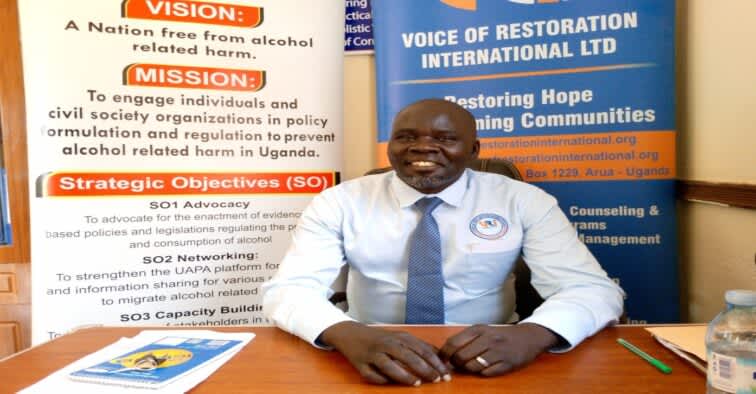
Drileba Daniel Dratibi, the executive director of Voice of Restoration international ltd. (Photo by Erema)
Equally, Sr.Leonora Torac, a missionary sister of Mary mother of the church who works as the diocesan pastoral counsellor at the counselling service office noted with concern the fewer numbers of men who take personal decisions to seek counseling services despite facing mental challenges.
She said, “there are few men who seek for counseling and I get to realize that they are been pushed by people who might have heard us on the radio talk show, and their relatives or close friends push them to come. There are few cases of men who have taken steps at personal level and those I really want to appreciate because they understand the importance of counseling in their lives. They know that anyone is vulnerable as far as mental health is concerned and if there are issues that are beyond ones level, the next level would be to seek for professional help from somebody who can give you a listening ear.”
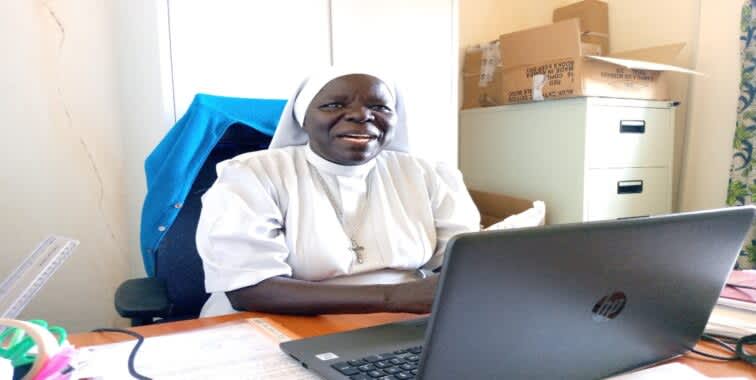
Sr. Leonora Torac, a missionary sister of Mary mother of the church who works as the diocesan pastoral counselor in Arua office. (Photo by Erema)
Meanwhile, to Albert Opio, the Vice Chairperson of St. Joachim and Ann elderly mission group, mental health challenges stem from child upbringing and encourage families to begin addressing the root cause starting this month.
“Sometimes some of these mental health challenges begin from the way children are being brought up, the children want to touch this and without knowing you are giving a very rude approach, beating and so forth when the child doesn’t know. Now the child grows with that hostile mindset and the hostile mindset brings this child to a position where he is a parent and goes on to treat people the way he was treated. You do not know that you are causing a negative impact on the life of this child’s future and to me that is how the whole thing could be rooted out if only we look at the root cause,” Opio explained.
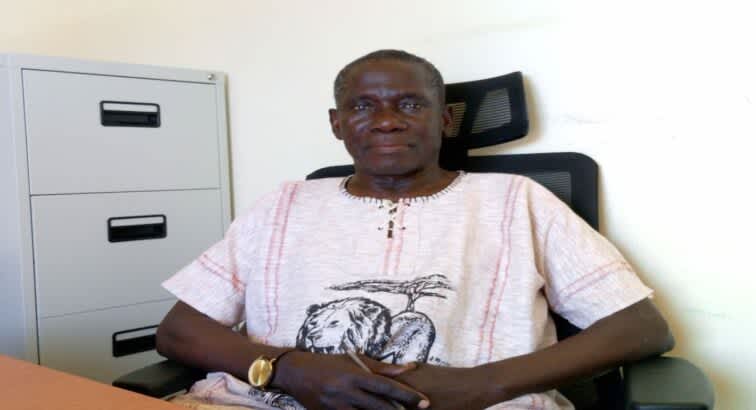
Albert Opio, the Vice Chairperson of St. Joachim and Ann Elderly Mission Group. (Photo by Erema)
Globally, the month of June is considered as a month for creating awareness on men’s mental health with the aim of dismantling the stigma around seeking help, encouraging open conversations, and addressing the high rates of male suicide.