


Hi, I am Anguzu, Radio Pacis AI Assistant. How can I help you today? Ask me about Radio Pacis, our programmes, frequencies, news, Arua, or the world around us.
16 April 2026 · Radio Pacis Newsroom
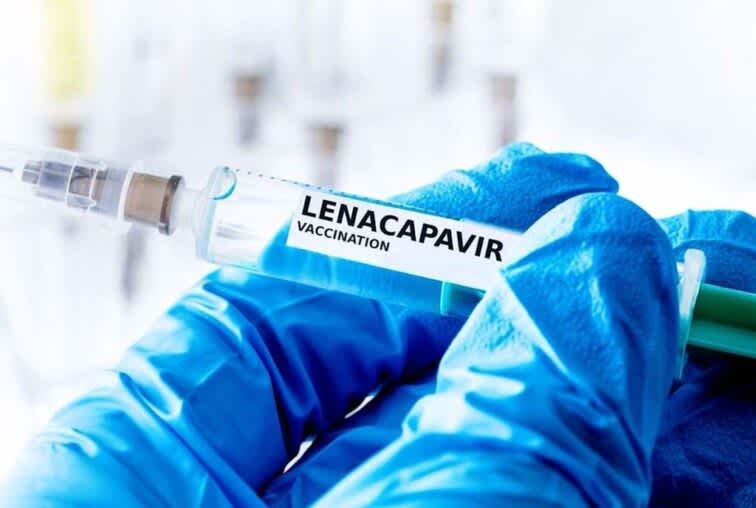
DAILY MONITOR Uganda is taking a giant leap towards an HIV-free generation. This Friday, the country will launch Lenacapavir, a long-acting injectable drug for HIV prevention, administered twice yearly. The launch event will take place at Lira Regional Referra
DAILY MONITOR
Uganda is taking a giant leap towards an HIV-free generation. This Friday, the country will launch Lenacapavir, a long-acting injectable drug for HIV prevention, administered twice yearly.
The launch event will take place at Lira Regional Referral Hospital, under the theme “Expanding HIV Prevention Choices with Lenacapavir: A bold step towards an HIV-free generation.”
Lenacapavir has shown near 100 per cent effectiveness in preventing HIV infection in clinical trials, making it a powerful tool in the fight against HIV/Aids.
The drug will be administered to high-risk populations, including adolescent girls and young women, pregnant and breastfeeding mothers among others.
Dr. Andrew Odur, the director of Lira Regional Referral Hospital, who confirmed the development, said the drug will only be administered to those who are HIV negative.
Dr. Odur said the transition from specialised HIV treatment to an integrated service model has not only improved clinical outcomes but has also significantly increased patient satisfaction and reduced the feeling of segregation within the facility.
Before the integration of services, the healthcare system faced significant hurdles, primarily driven by the social stigma that led to the segregation of HIV patients, Dr Odur said.
Furthermore, medical professionals had become so specialized in HIV care that they often overlooked common non-communicable diseases (NCDs).
“Patients were successfully receiving Antiretroviral (ARV) therapy but were increasingly succumbing to preventable complications like hypertension, high blood sugar, and various cancers,” he said.
“So now that we have integration, there’s a 360 view of a patient so that every time you come, it’s not only focusing on giving you your ARVs and you go back home. But now, we are also checking your blood sugar, screening you for cancers and hypertension, so that we manage all those things well,” Dr Odur said, adding: “The feedback we receive right now, clients are happy to be treated that way.”
Lira Regional Referral Hospital currently serves as the second-largest HIV chronic care centre in the country, following only Masaka.
With 11,000 patients enrolled, the facility faces a significant management challenge. To address this, the hospital is implementing a decentralization strategy. Historically, patients traveled long distances to Lira to avoid the stigma associated with seeking treatment in their home districts, such as Otuke.
However, as integration is adopted at all levels of the healthcare system, the hospital is now encouraging patients to receive care closer to home.
The hospital director said this strategy aims to decongest the regional referral center while maintaining the quality of integrated care across the district.
The shift toward integration gained critical momentum following the cessation of US government funding for HIV drugs and commodities. While discussions regarding integration had existed previously, Dr. Odur said, this funding change forced an immediate redesign of healthcare delivery.
Since March of 2024, for instance, Lira Hospital has undergone a rigorous process of redesigning clinical spaces and retraining staff.
This training was essential to equip HIV specialists with the skills necessary to identify and manage hypertension and cancers within their existing patient base.